Why Your VPN's Server Location Matters
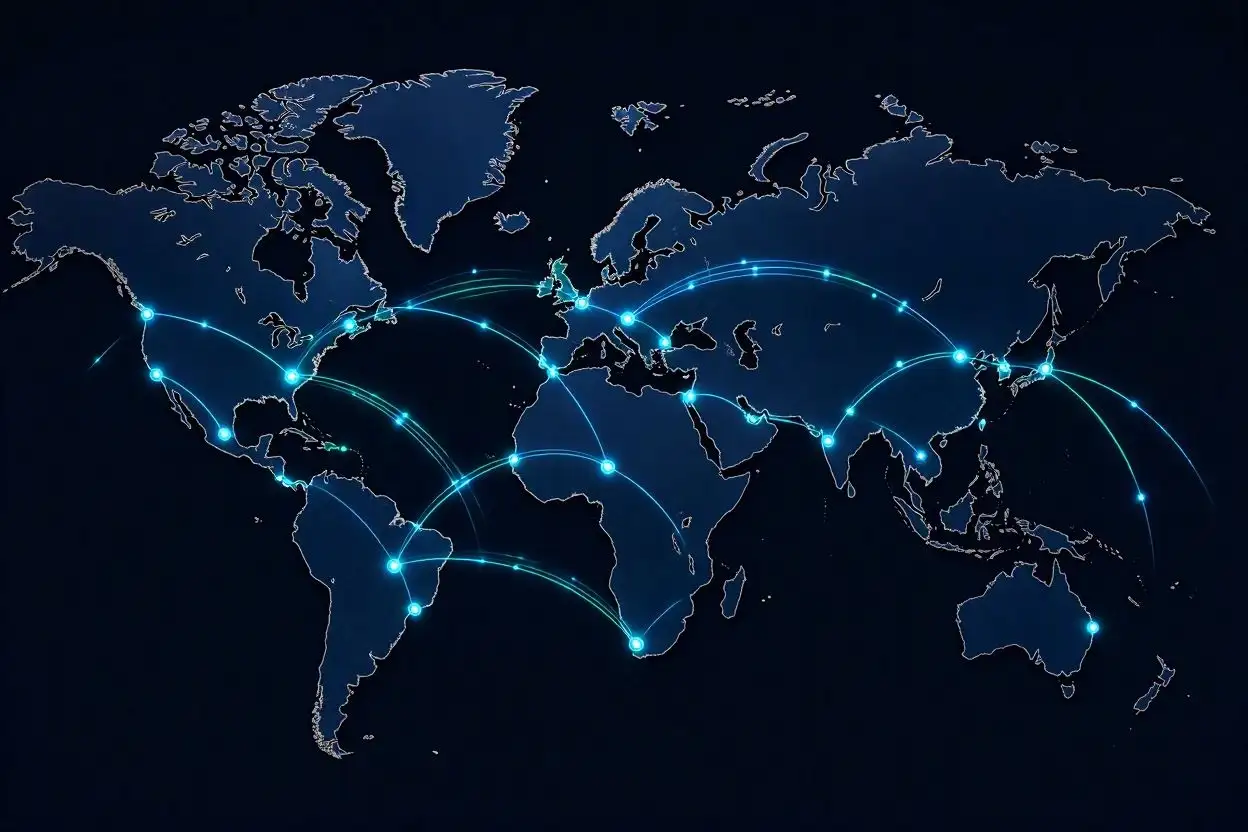
Why Your VPN's Server Location Matters
When you connect to a VPN, one of the first choices you make is which server location to use. For many people, this is an afterthought—they pick the nearest option and move on. But the server you connect to can have a significant impact on your speed, privacy, and the legal protections that apply to your data.
Understanding how server location affects your VPN experience helps you make smarter choices about how you stay protected online.
How Server Location Affects Speed
The most immediate effect of server location is connection speed. Data has to travel between your device and the VPN server, and the greater the physical distance, the higher the latency—the slight delay before data starts moving. If you're in Los Angeles connecting to a server in Singapore, you'll notice more lag than if you connect to one in Dallas.
For everyday browsing, a small amount of latency is barely noticeable. But for activities that require real-time responsiveness—video calls, online gaming, or live streaming—choosing a server close to your physical location makes a real difference. JourneyVPN offers multiple server regions so you can connect to what makes sense for your activity.
Privacy and Data Jurisdiction
Beyond speed, server location affects which country's laws apply to your data. Every country has its own rules about data retention, government surveillance, and whether companies can be compelled to hand over user information.
When you connect through a VPN server, your traffic appears to originate from that server's country. A provider operating in a country with strong privacy laws—and a strict no-logs policy—gives you meaningful protection. JourneyVPN maintains a zero-logs policy regardless of server location, meaning we never collect or store records of what you do online.
Accessing Region-Specific Content
Server location also determines how websites and services see you. If you're traveling and want to access content or services from your home country, connecting to a server there makes your traffic appear local. This is useful for everything from checking your home bank's website to accessing apps that may not be available in the country you're visiting.
Keep in mind that streaming platforms actively work to detect and restrict VPN usage, so results can vary. But for general browsing and app access, server location is a straightforward way to control how you appear online.
Choosing the Right Server
For most everyday use, the closest server to your physical location is your best starting point. It offers the best balance of speed and reliable connectivity. If you're concerned about privacy or legal jurisdiction, you may want to research the privacy laws of the country where a given server is located.
If you're troubleshooting a slow connection, switching server locations is one of the first things worth trying. Server load, network routes, and regional infrastructure all vary, and a different server may perform significantly better even if it's farther away.
Make Location Work for You
Server location isn't just a technical detail—it's a choice that shapes your speed, privacy, and online experience. Whether you want the fastest possible connection or the strongest available privacy protections, knowing how to choose your server thoughtfully puts you in control. JourneyVPN's global server network gives you the flexibility to connect wherever it makes sense for you.